Image 1 of 1: ‘Three people, labeled from left to right as "Novice", "Competent Practitioner", and "Expert". Underneath,an arrow labelled "Experience level" points from left to right. The "Novice" is quoted, "I am not sure what questions to ask." The Competent Practitioner is quoted, "I am pretty confident, but I still look stuff up a lot!" The Expert is quoted "I have been doing this on a daily basis for years!"’
Figure 2
Image 1 of 1: ‘Three collections of six circles. The first collection is labelled "Novice" and has only two arrows connecting some of the circles. The second collection, labelled "Competent Practitioner" has six connecting arrows. The third collection, labelled "Expert", is densly connected, with eight connecting arrows.’
Figure 3
Image 1 of 1: ‘Two words inside rectangles, with labeled arrows connecting them. "Ball" is at the left, with an arrow pointing to "Water", at right, labeled as "Pushes out."’
Figure 4
Image 1 of 1: ‘Four words inside rectangles, with labeled arrows connecting them. "Ball" is at the left, and "Water", at right. "Big Ball" and "Small Ball" are stacked vertically between them. Arrows from "Ball" are labeled "can be MORE" and can be "LESS", and arrows to "water" are labeled as "Pushes out MORE" and "Pushes out "LESS"’
Figure 5
Image 1 of 1: ‘A concept map similar to the previous one except with "Heavy Ball" and "Light Ball" in the middle, and a red "X" over the arrows labeled "Pushes out MORE" and "Pushes out LESS"’
Figure 6
Image 1 of 1: ‘A new concept map. "Ball" remains at left, and "Water", at right. "Size" and "Weight" are stacked vertically between them. Arrows from "Ball" share the label "Can have more or less." One arrow from "size to "water" is labeled "Affects pushing of"’
Image 1 of 1: ‘A flow diagram presenting the process of lesson design and development used in this training.’
Figure 2
Image 1 of 1: ‘Diagram of the life cycle of a lesson in The Carpentries ecosystem. A lesson is proposed at the beginning of the pre-alpha stage. It enters alpha when it is taught for the first time. In beta, it is taught by other instructors. A full release of the lesson is made when it is stable. Pilot workshops take place during the alpha and beta phases.’
Image 1 of 1: ‘An overview of the iterative process of lesson design and development, adapted from Nicholl's five phases, with step 1, 'Define desired learning outcomes' highlighted.’
In this episode we will begin the first step of
our iterative design process: defining the skills and knowledge we want
learners to leave with.
Figure 2
Image 1 of 1: ‘An example learning objective, "import data into an indexed DataFrame with read_csv", with emphasis placed on the action verb ("import") and the specificity ("indexed") of the objective.’
This diagram highlights the most important
elements of a learning objective.
Figure 3
Image 1 of 1: ‘A pyramid with, from bottom to top, the words "remember", "understand", "apply", "analyze", "evaluate", and "create".’
Image 1 of 1: ‘An overview of the iterative process of lesson design and development, adapted from Nicholl's five phases, with step 2, 'Design assessments for these outcomes' highlighted.’
In this section, we will design assessments to
measure learners’ attainment of the objectives we defined
previously.
Image 1 of 1: ‘An overview of the iterative process of lesson design and development, adapted from Nicholl's five phases, with step 3, 'Develop relevant content' highlighted.’
In this episode, we will discuss how to work
backwards from assessments to develop the teaching content for your
lesson.
Image 1 of 1: ‘People using different wheeled devices utilising the curb cut. The picture is titled The Curb-Cut Effect and states "when we design for disabilities, we make things better for everyone."’
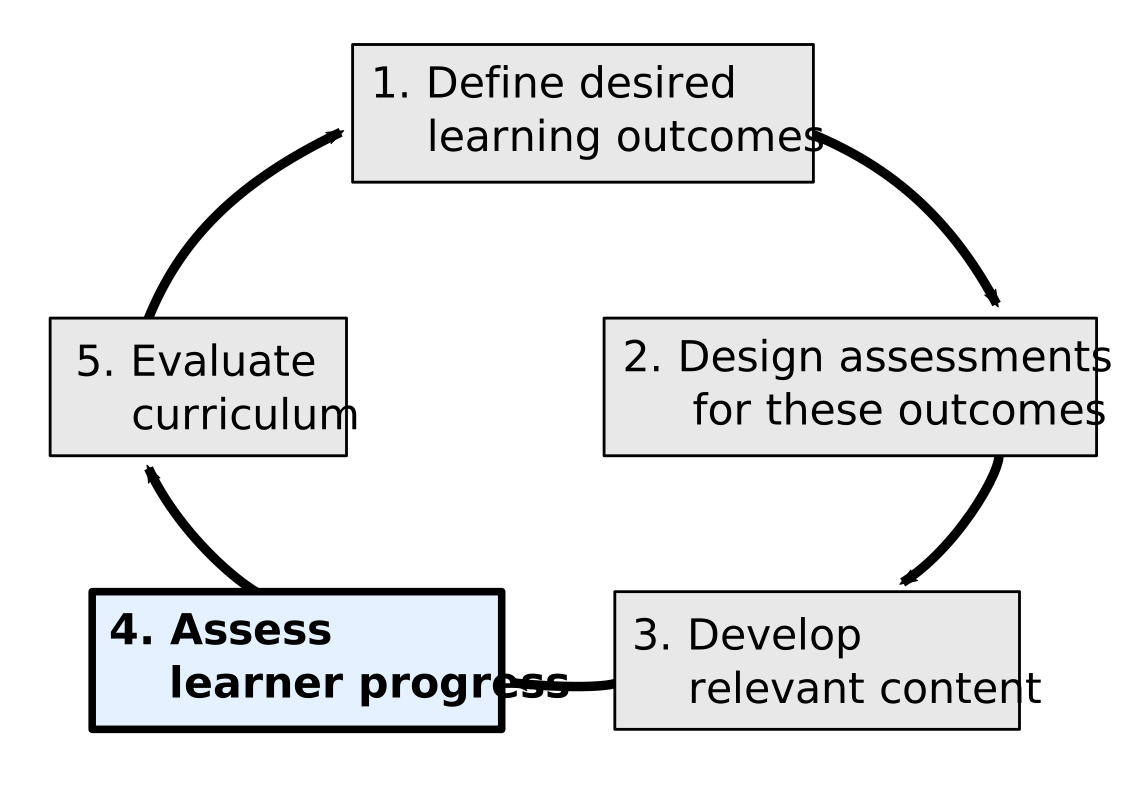
Image 1 of 1: ‘An overview of the iterative process of lesson design and development, adapted from Nicholl's five phases, with step 4, 'Assess learner progress' highlighted.’
As part of teaching your lesson, you had to
conduct a formative assessment.
Figure 2
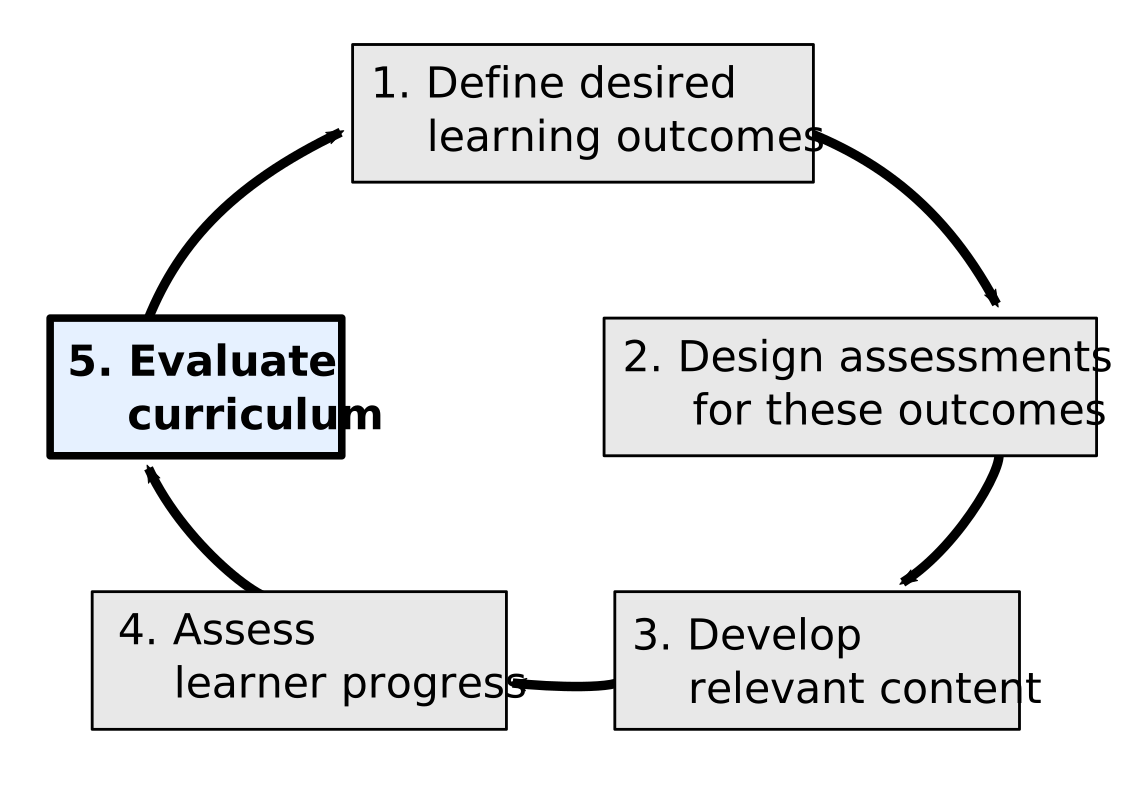
Image 1 of 1: ‘An overview of the iterative process of lesson design and development, adapted from Nicholl's five phases, with step 5, 'Evaluate curriculum' highlighted.’
Now that the teaching has concluded, you can
decide how you want to update the lesson as a whole.
Figure 3
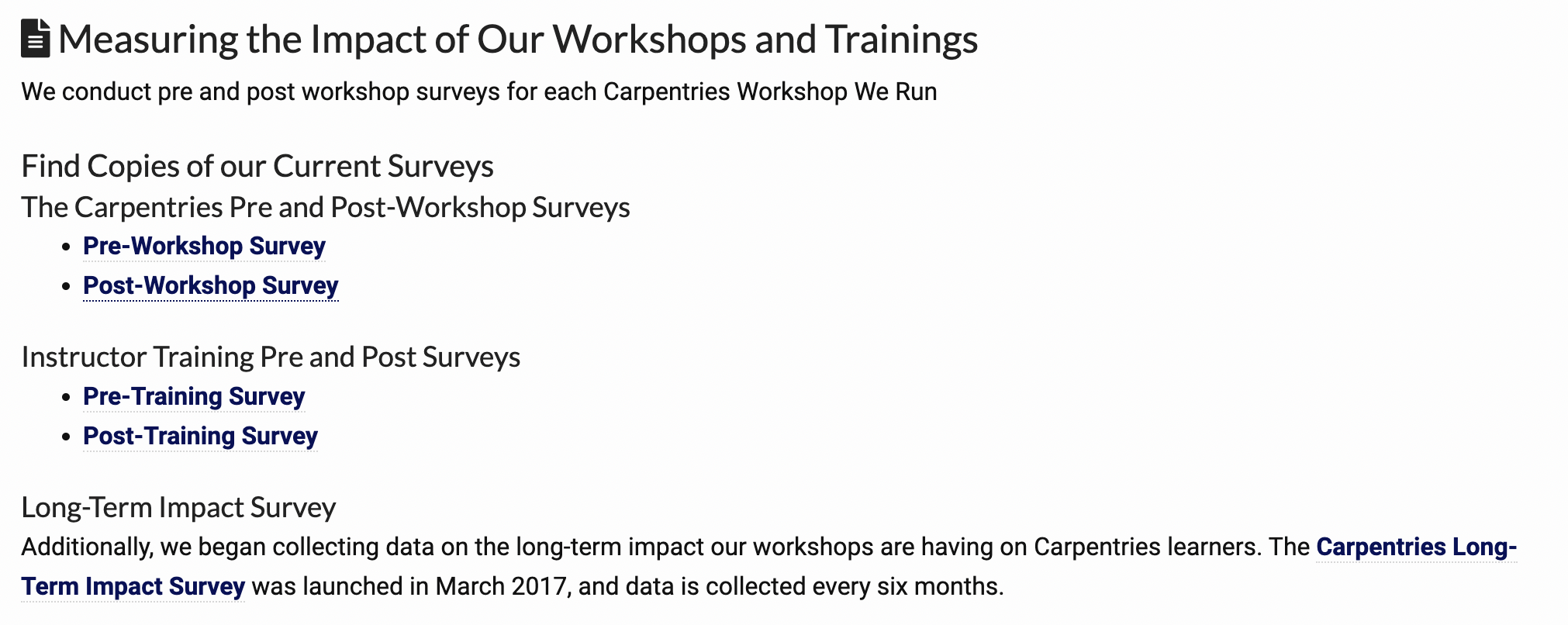
Image 1 of 1: ‘A screenshot of the Carpentries Pre- and Post- Workshop survey page.’
The Carpentries makes their survey questions
publicly available.

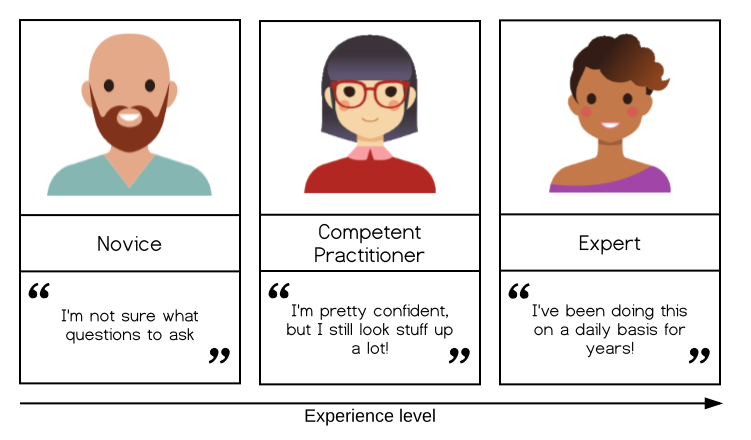
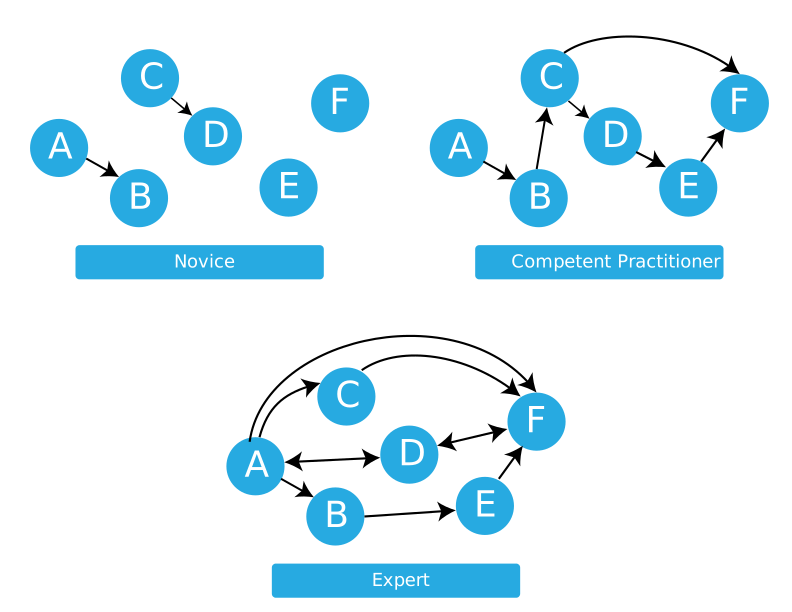
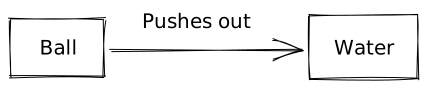
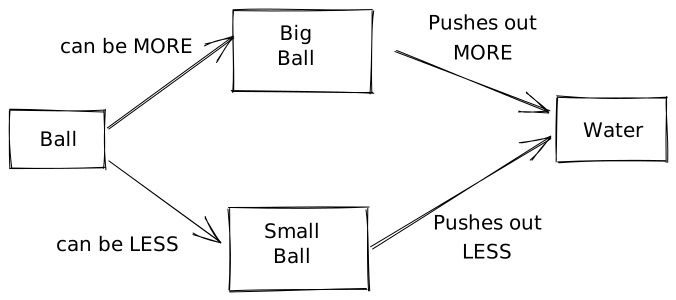
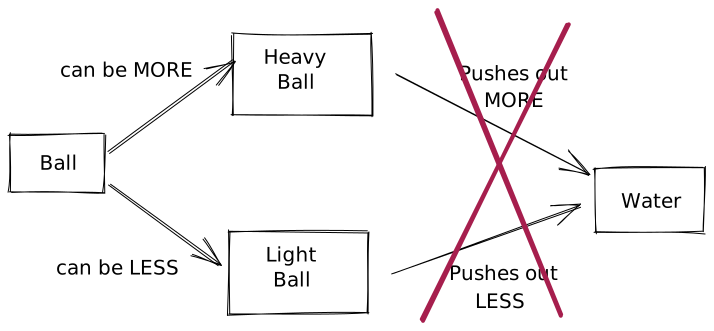
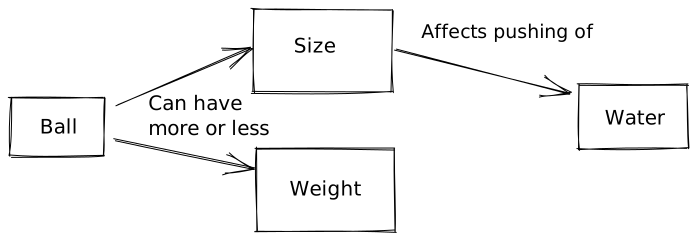
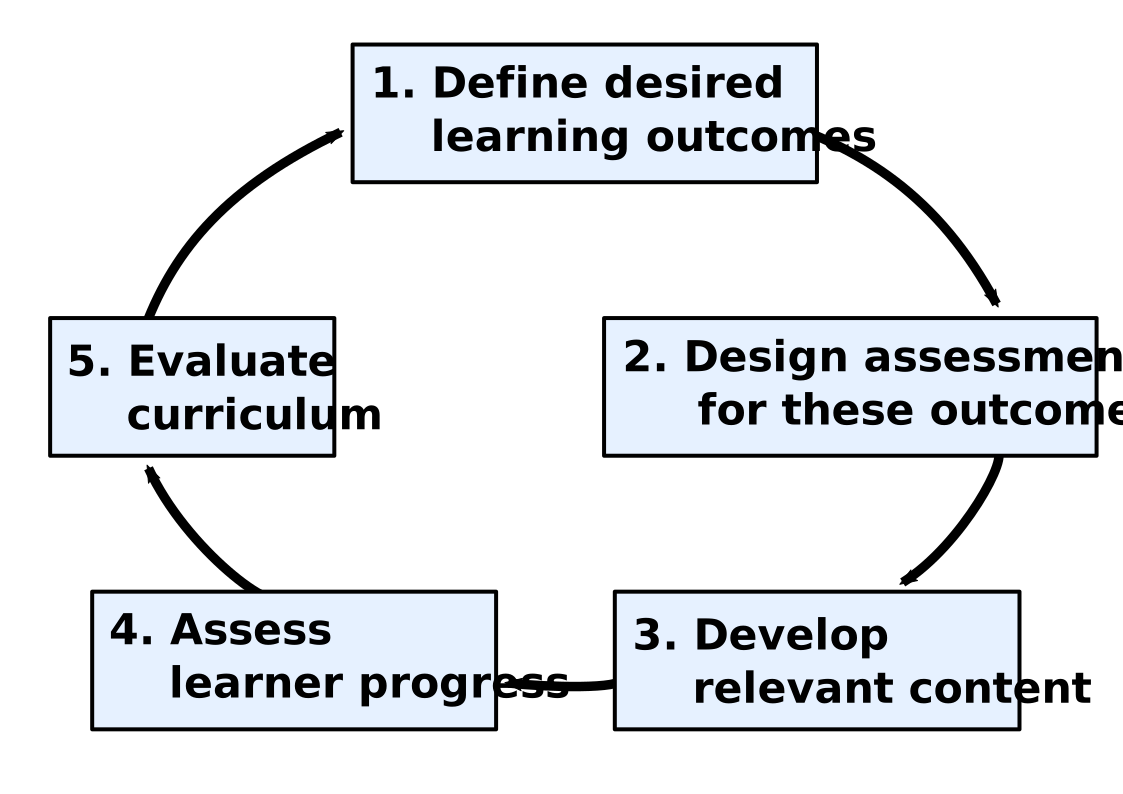

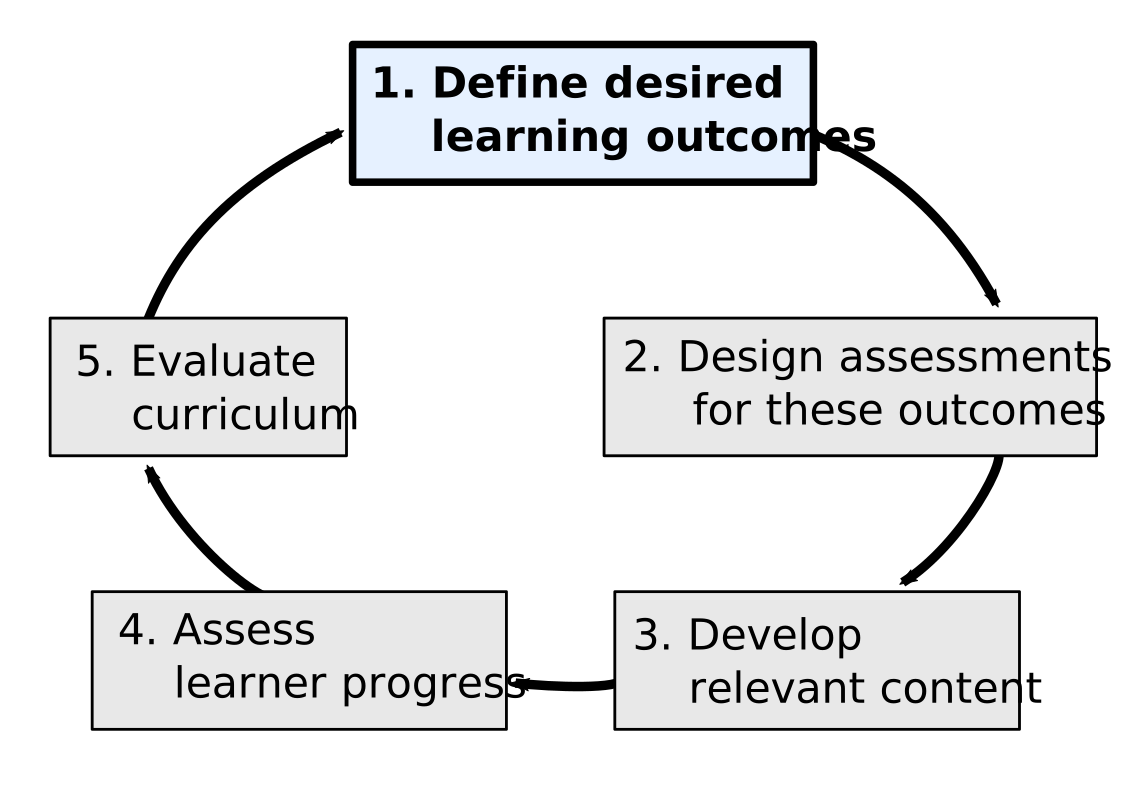
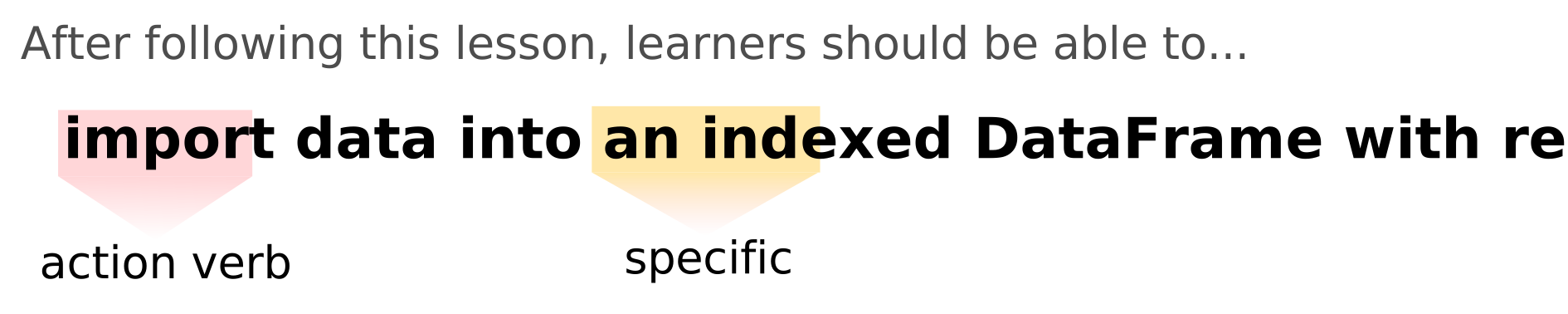
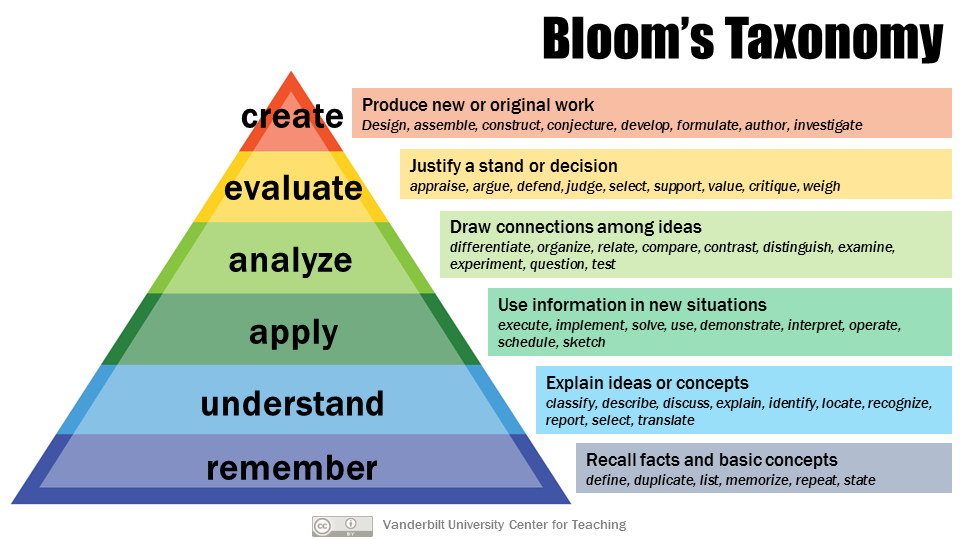
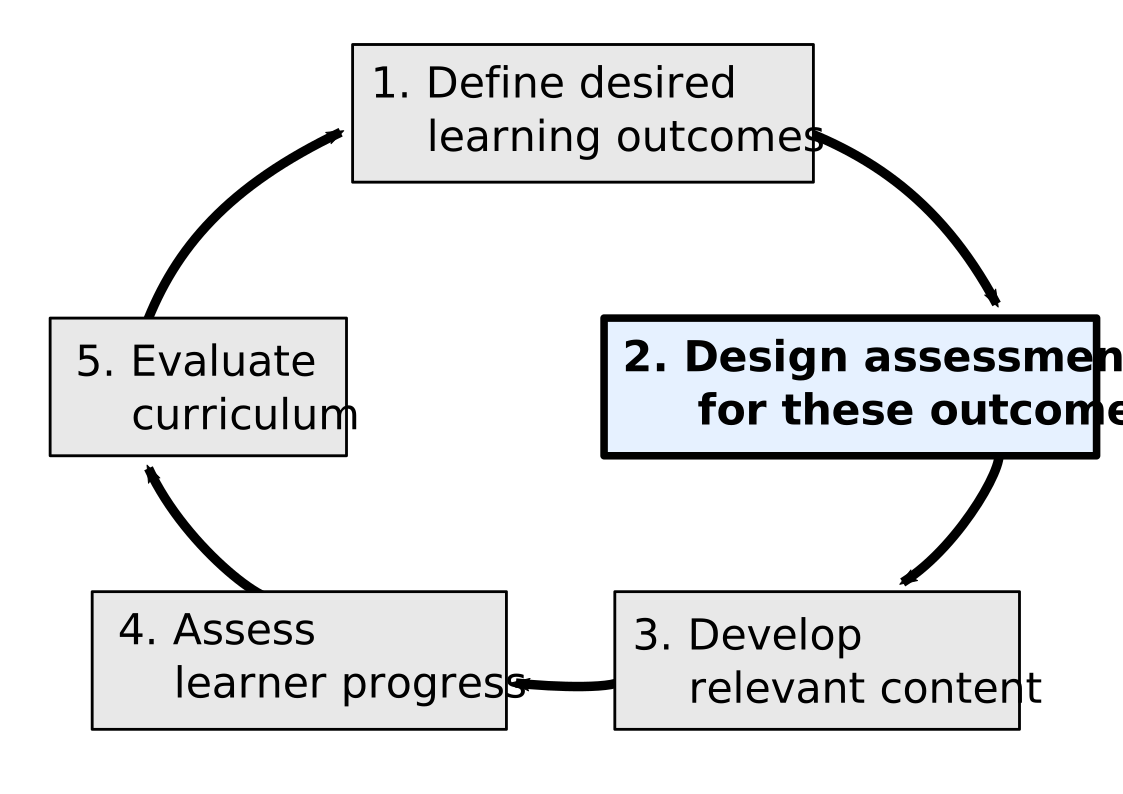
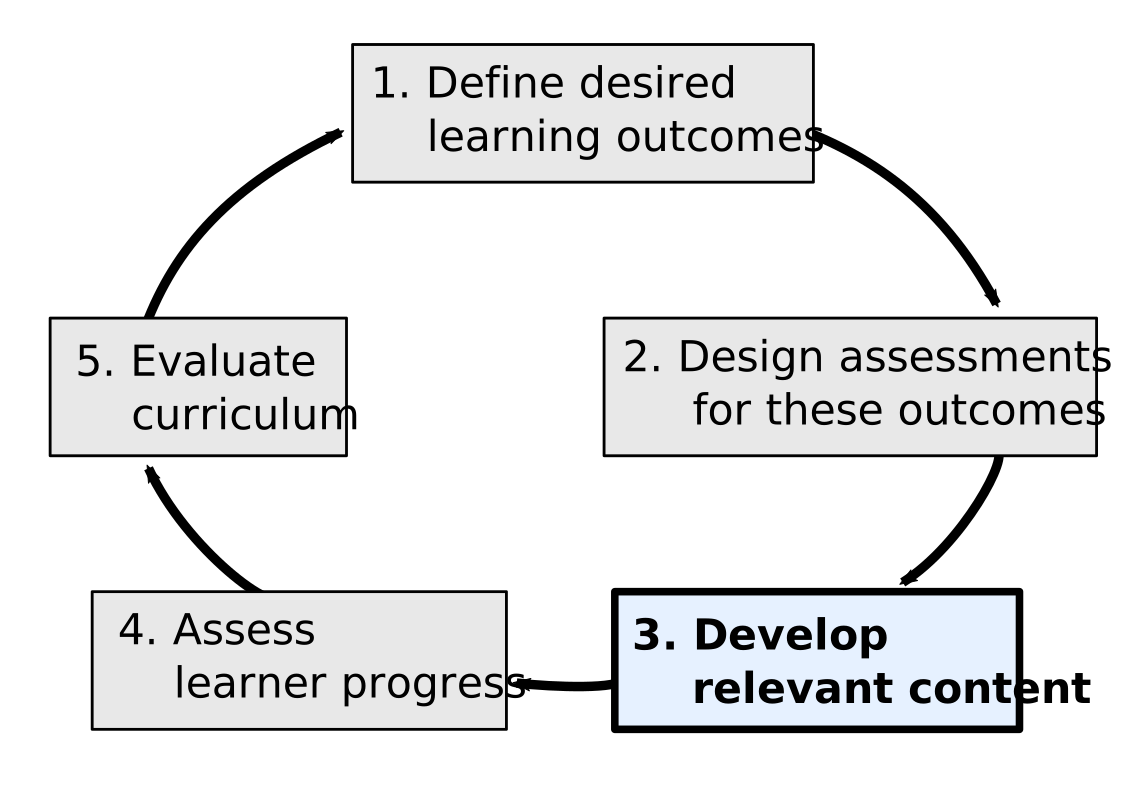
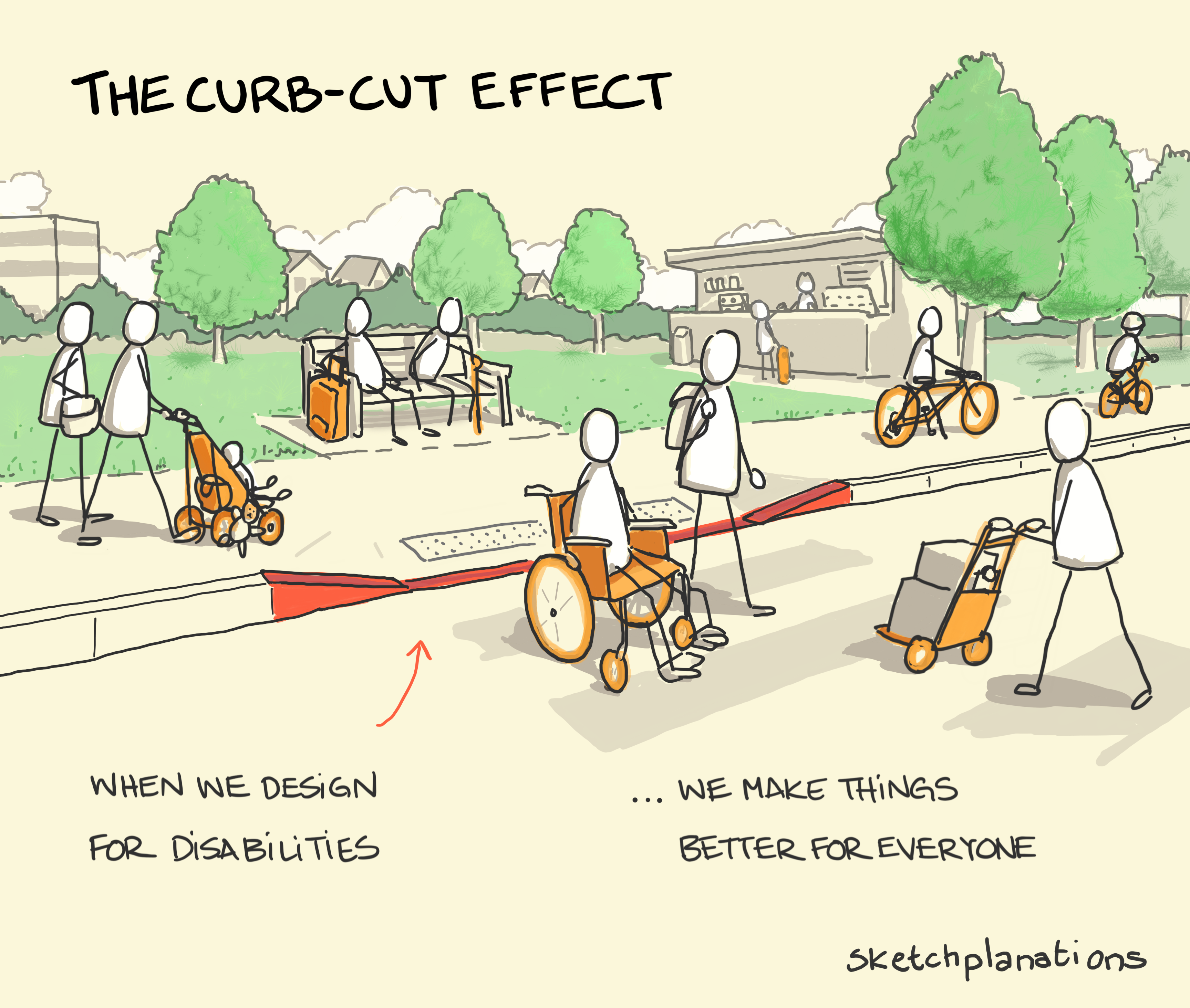 Image: Sketchplanations